Archives
- 2026-01
- 2025-12
- 2025-11
- 2025-10
- 2025-09
- 2025-03
- 2025-02
- 2025-01
- 2024-12
- 2024-11
- 2024-10
- 2024-09
- 2024-08
- 2024-07
- 2024-06
- 2024-05
- 2024-04
- 2024-03
- 2024-02
- 2024-01
- 2023-12
- 2023-11
- 2023-10
- 2023-09
- 2023-08
- 2023-07
- 2023-06
- 2023-05
- 2023-04
- 2023-03
- 2023-02
- 2023-01
- 2022-12
- 2022-11
- 2022-10
- 2022-09
- 2022-08
- 2022-07
- 2022-06
- 2022-05
- 2022-04
- 2022-03
- 2022-02
- 2022-01
- 2021-12
- 2021-11
- 2021-10
- 2021-09
- 2021-08
- 2021-07
- 2021-06
- 2021-05
- 2021-04
- 2021-03
- 2021-02
- 2021-01
- 2020-12
- 2020-11
- 2020-10
- 2020-09
- 2020-08
- 2020-07
- 2020-06
- 2020-05
- 2020-04
- 2020-03
- 2020-02
- 2020-01
- 2019-12
- 2019-11
- 2019-10
- 2019-09
- 2019-08
- 2019-07
- 2019-06
- 2019-05
- 2019-04
- 2018-11
- 2018-10
- 2018-07
-
With the administration of OM fatty acids it has previously
2022-06-21
With the administration of OM3 fatty acids, it has previously been shown that the activation of GPR120 is linked to the secretion and circulating levels of the adipokine adiponectin [123] promoting anti-inflammation (downregulation of NF-κB) and insulin sensitivity [124]. Interestingly, Nrf2 also de
-
Firstly the impact on activity and selectivity
2022-06-21
Firstly, the impact on activity and selectivity was made by replacing the 2, 3-di-F substitution of ring A with 2,3-OCHO- () and 2-NO () substitutions, and replacing the 3, 5-di-F substitution of ring B with 3,5-di-OMe () and 3,5-di-Me () substitutions. Compound kept moderate activity (EC = 220 nM)
-
d cycloserine sale Considering that loss of LAG expression r
2022-06-21
Considering that loss of LAG-3 d cycloserine sale results in increased CD4+ T cell homeostatic expansion, and that the ability of a cell to proliferate is tightly coupled to its metabolic profile, we hypothesized that LAG-3 regulates naive CD4+ T cell metabolism. Our results indicate that, indeed,
-
The average pregnancy rate in this work was similar
2022-06-21
The average pregnancy rate in this work was 60.1%; similar results have been reported with the same estrus synchronization treatment (58% pregnancy rate) [26]. Later studies also showed that the pregnancy rate was 56.9 and 51.1%, with FTAI and estrous detection, respectively [34,35]. Although that t
-
br Acknowledgments This work was supported
2022-06-21
Acknowledgments This work was supported by the Russian Foundation for Basic Research [grant number 16-04-00205], The Russian Science Foundation [grant number 16-15-00235], Czech Academy of Sciences [grant number RVO 61388963], and the Technology Agency of the Czech Republic [grant number TE010200
-
In summary activated A AR exacerbated the reverse transport
2022-06-21
In summary, activated A2AR exacerbated the reverse transport function of endothelial EAATs through a direct or indirect pathway depending on PKA and glutamate levels in response to OGD in vitro, but A2AR inhibition quickly restored the normal transport function. Moreover, the key mechanisms by which
-
br Materials and Methods br Results br Discussion A
2022-06-21
Materials and Methods Results Discussion A model of seizure and excitotoxicity induced by neonatal MSG administration was described recently (19) in which extracellular glutamate increased after the first and second MSG administrations were observed, the greatest increase seen following th
-
In spite of the similarities
2022-06-21

In spite of the similarities of caffeine's effects in L929 cells and erythrocytes, a major difference can be identified in the magnitude of inhibition (35% versus 90%). It initially seems reasonable to conclude from this finding that the reduced magnitude of caffeine inhibition in L929 cells is simp
-
While there have been a variety of recent
2022-06-21
While there have been a variety of recent reviews on the signaling and physiological effects of FFA4, particularly towards its anti-inflammatory effects, the goal of this research update is to present the most recent details on the role of FFA4 in human cancers. The known contributions of FFA4 towar
-
Chrysin br Introduction In addition to glucose which
2022-06-21
Introduction In addition to glucose, which is the foremost stimulator of insulin secretion in beta-cells, other nutrients such as free fatty acids (also called non-esterified fatty acids, NEFA) contribute to glucose-stimulated insulin secretion (GSIS). Glucose triggers the processes leading to in
-
Sumoylation is involved in regulating
2022-06-21
Sumoylation is involved in regulating protein-protein interactions, subcellular protein localization, protein stability, and transcriptional factor activity (reviewed in [29]). The small ubiquitin-like modifier (SUMO) protein is covalently attached to a lysine residue in a Ψ-K-X-D/E consensus sequen
-
A large body of evidence supports a
2022-06-21
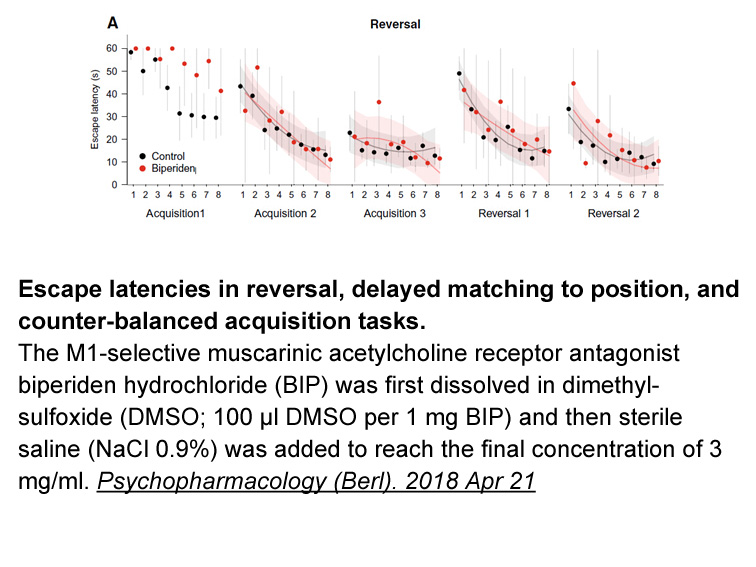
A large body of evidence supports a contribution of the endocannabinoid (eCB) system in the regulation of stress and emotional behavior (Gorzalka and Hill, 2011, Hill and Patel, 2013, Morena et al., 2016). General findings from this work indicate that eCB anandamide signaling is critical for bufferi
-
Aminophylline receptor Enhancer of Zeste Homolog EZH is a co
2022-06-21
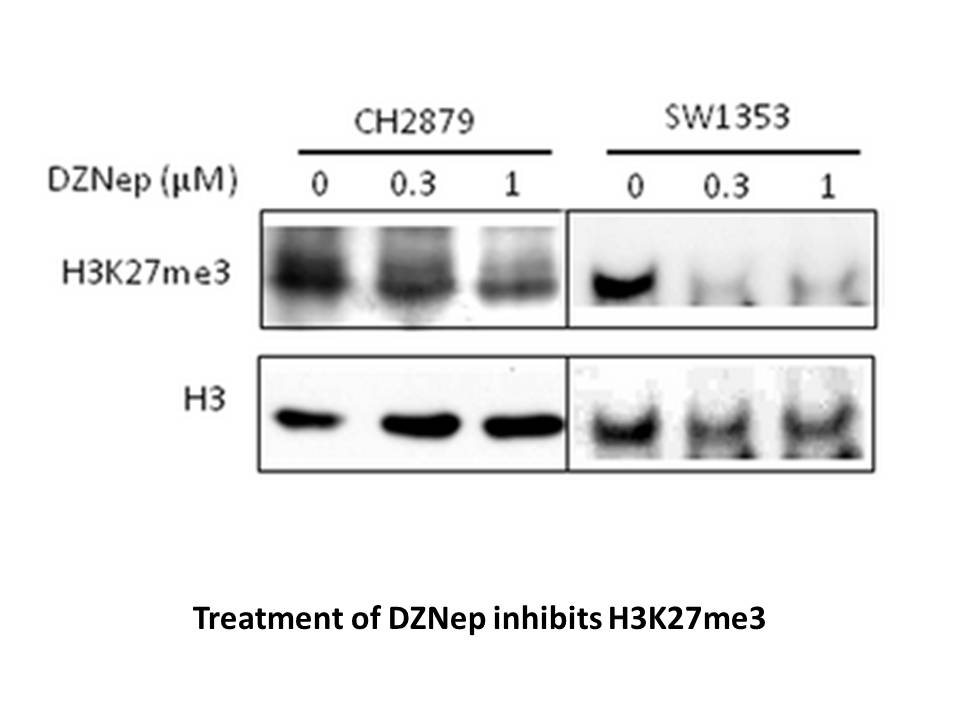
Enhancer of Zeste Homolog 2 (EZH2) is a core component of the Polycomb Repressive Complex2 (PRC2) which also includes SUZ12 and EED. PRC2 represses gene transcription through trimethylation of Lys27 of histone H3 (H3K27), and contribute to the maintenance of cell identity, Aminophylline receptor reg
-
br Characterization of quantal exocytosis
2022-06-20
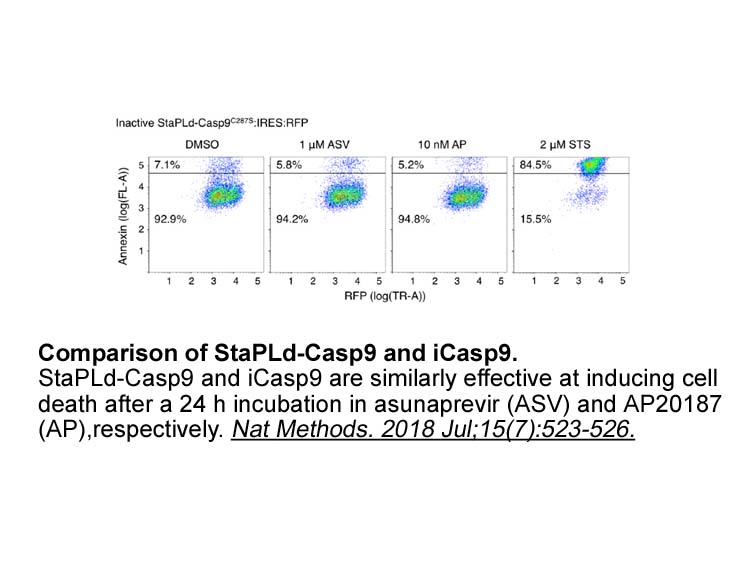
Characterization of quantal exocytosis by amperometry A secretory vesicle experiences four phases during exocytosis: (i) cargo packaging & translocation, (ii) vesicle docking & priming; (iii) fusion pore formation; (iv) fusion pore expansion and cargo secretion (Fig. 1a). The release of monoamine
-
The zinc dependent HDACs are classified into four groups bas
2022-06-20
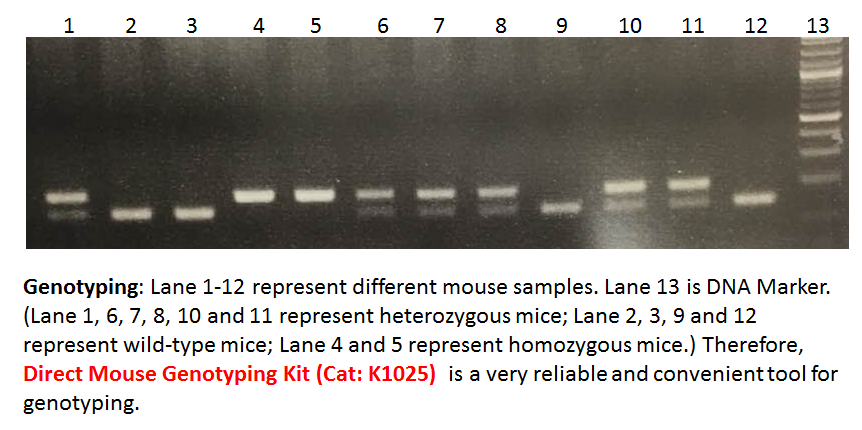
The zinc-dependent HDACs are classified into four groups based on their structure, complex formation, and expression pattern: class I (HDAC1, HDAC2, HDAC3, and HDAC8), class IIa (HDAC4, HDAC5, HDAC7, and HDAC9), class IIb (HDAC6 and HDAC10), and class IV (HDAC11) [16]. We recently reported on a cyto
16290 records 446/1086 page Previous Next First page 上5页 446447448449450 下5页 Last page