Archives
- 2026-01
- 2025-12
- 2025-11
- 2025-10
- 2025-09
- 2025-03
- 2025-02
- 2025-01
- 2024-12
- 2024-11
- 2024-10
- 2024-09
- 2024-08
- 2024-07
- 2024-06
- 2024-05
- 2024-04
- 2024-03
- 2024-02
- 2024-01
- 2023-12
- 2023-11
- 2023-10
- 2023-09
- 2023-08
- 2023-07
- 2023-06
- 2023-05
- 2023-04
- 2023-03
- 2023-02
- 2023-01
- 2022-12
- 2022-11
- 2022-10
- 2022-09
- 2022-08
- 2022-07
- 2022-06
- 2022-05
- 2022-04
- 2022-03
- 2022-02
- 2022-01
- 2021-12
- 2021-11
- 2021-10
- 2021-09
- 2021-08
- 2021-07
- 2021-06
- 2021-05
- 2021-04
- 2021-03
- 2021-02
- 2021-01
- 2020-12
- 2020-11
- 2020-10
- 2020-09
- 2020-08
- 2020-07
- 2020-06
- 2020-05
- 2020-04
- 2020-03
- 2020-02
- 2020-01
- 2019-12
- 2019-11
- 2019-10
- 2019-09
- 2019-08
- 2019-07
- 2019-06
- 2019-05
- 2019-04
- 2018-11
- 2018-10
- 2018-07
-
br Materials and methods br Results
2021-12-18
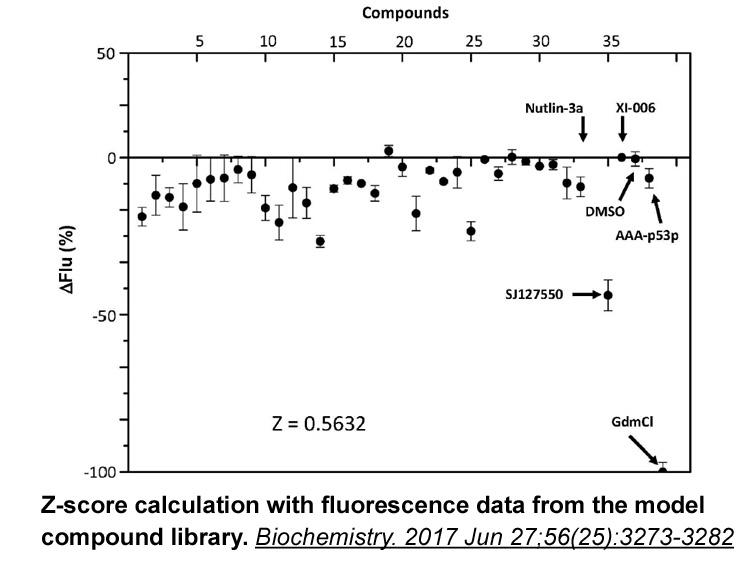
Materials and methods Results Discussion The compound P7C3 has been reported to activate NAMPT (Wang et al., 2014) and augment NAD+ levels, thereby promoting the survival of mature neurons and postnatal neurogenesis throughout the post-ischemic Macitentan australia (Loris et al., 2017). Ho
-
As well as the above studies Meier and
2021-12-18
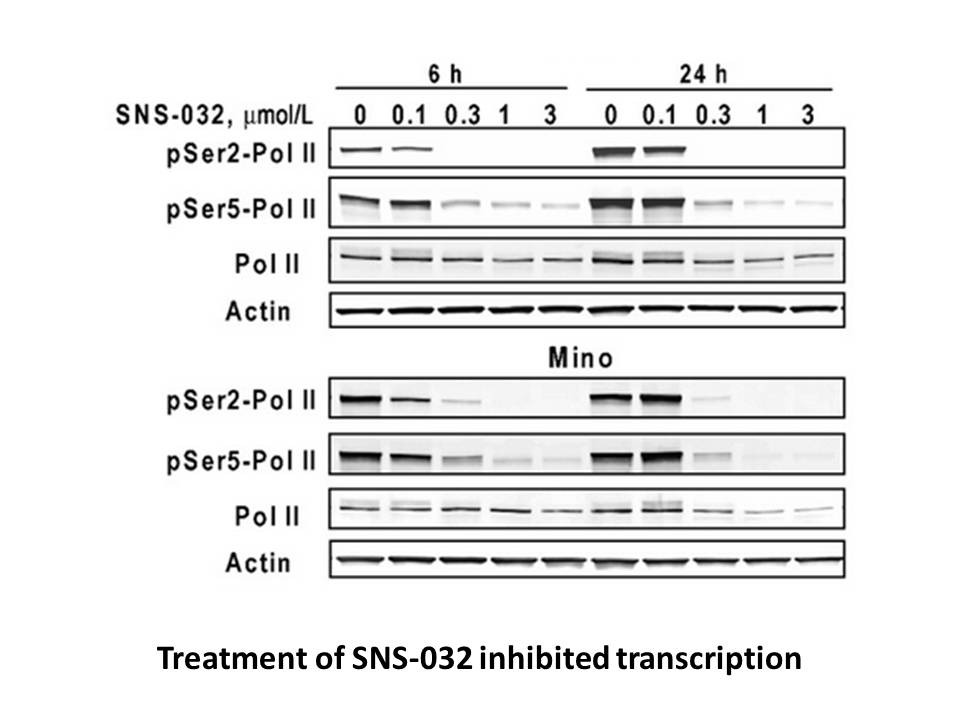
As well as the above studies, Meier and coworkers used TUG-891, alongside omega-3 fatty acids, to show a potential role for FFA4 in inhibiting proliferation of DU145 prostate cancer cells [68]. Given that these cells express both FFA4 and FFA1 and the current view that TUG-891 may not be sufficientl
-
The amyloid precursor protein APP is a membrane
2021-12-18
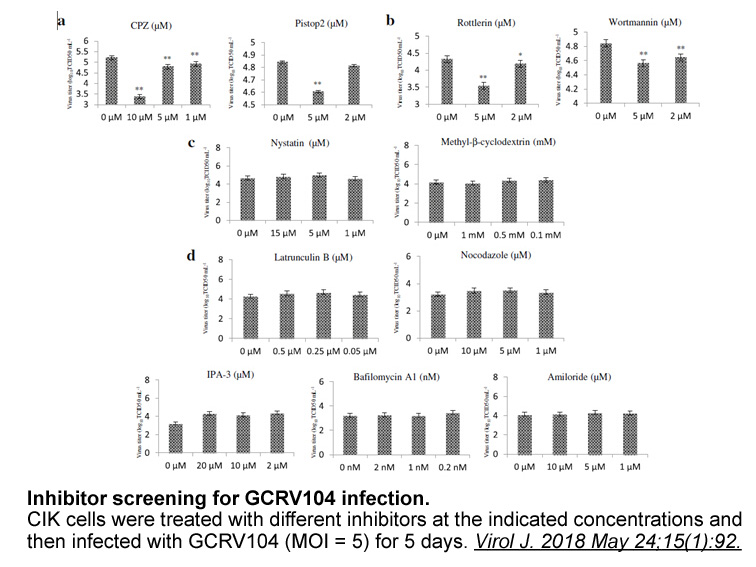
The amyloid precursor protein (APP) is a membrane protein thought to be involved in plasticity, synapse formation and repair, and export of metal ions [68]. The APP present in the brain can be cleaved by three different secretases [73], [74]. Cleavage of APP first by alpha secretase and then gamma-s
-
br All platelet agonists acting through specific receptors a
2021-12-17
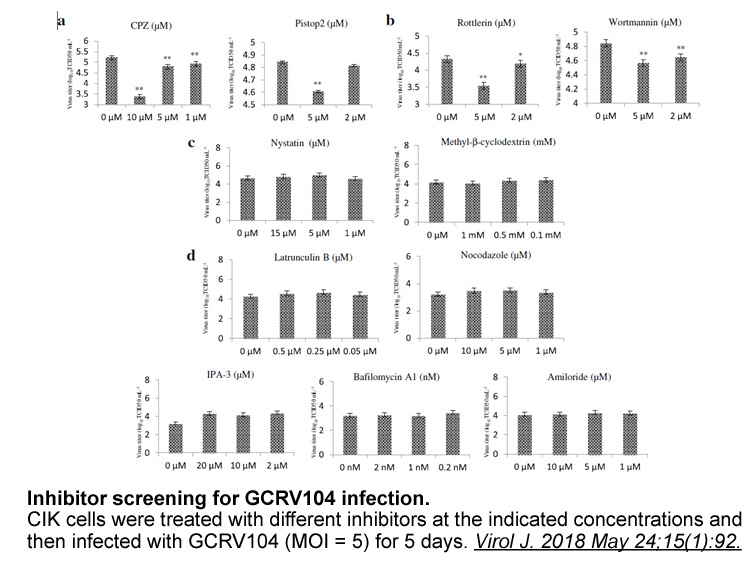
All platelet agonists, acting through specific receptors and triggering different signaling pathways, activate phospholipases (PLCß or PLCγ) and the subsequent messengers inositol 1,4,5-trisphosphate (IP3) and 1,2 diacylglycerol which activate inositol 1,4,5-trisphosphate (IP3) receptors (IP3R) or
-
br Acknowledgements br Introduction The study methods consis
2021-12-17
Acknowledgements Introduction The study methods consisted of the review of articles included in the Pubmed and Medline databases and in the clinicaltrials.gov clinical trials register between 2013 and 2016, and of the preliminary results of therapies presented at international trichology confe
-
In addition to their functional
2021-12-17
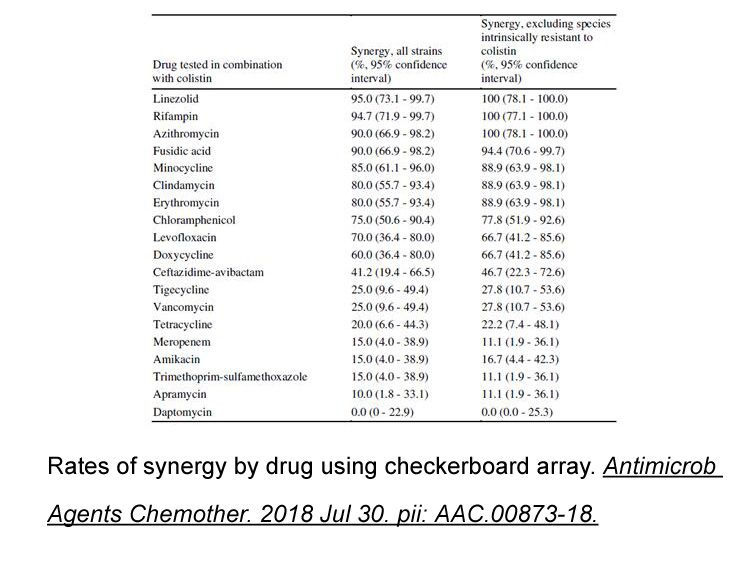
In addition to their functional activation of GPR109A, compounds of the pyrazolopyrimidine class also enhanced the binding of nicotinic AMI-1 to the receptor. For instance, increased the binding of H-nicotinic acid to the receptor (black curve) in a concentration-dependent manner, whereas unlabele
-
hepititis b br Materials and methods br Results
2021-12-17
Materials and methods Results Discussion To fulfill its role in tissue homeostasis, repair and immunoregulation, MSCs must be able to (i) renew themselves by cell division and proliferation, (ii) migrate to its target end-site in response to chemotaxis signals and (iii) undergo appropriate
-
KB-R7943 mesylate There are three classes of receptors for h
2021-12-17

There are three classes of receptors for herpes virus gD have been described [18,24]. Among those three, herpes virus entry mediator A (HveA) is also known as HVEM. This receptor is a member of the tumor necrosis factor receptor (TNFR) superfamily [25]. The other class of receptors is HveC which is
-
Conformational changes are observed in
2021-12-17
Conformational changes are observed in the LBDs after ligand binding, including partial cleft closure for GluN2A and complete cleft closure for GluN1. For GluN2A, additional conformational rearrangements in the protein and ligand may be required before the ligand can be accommodated within lobe 2. F
-
Entry into CNS is tightly regulated by highly dynamic barrie
2021-12-17
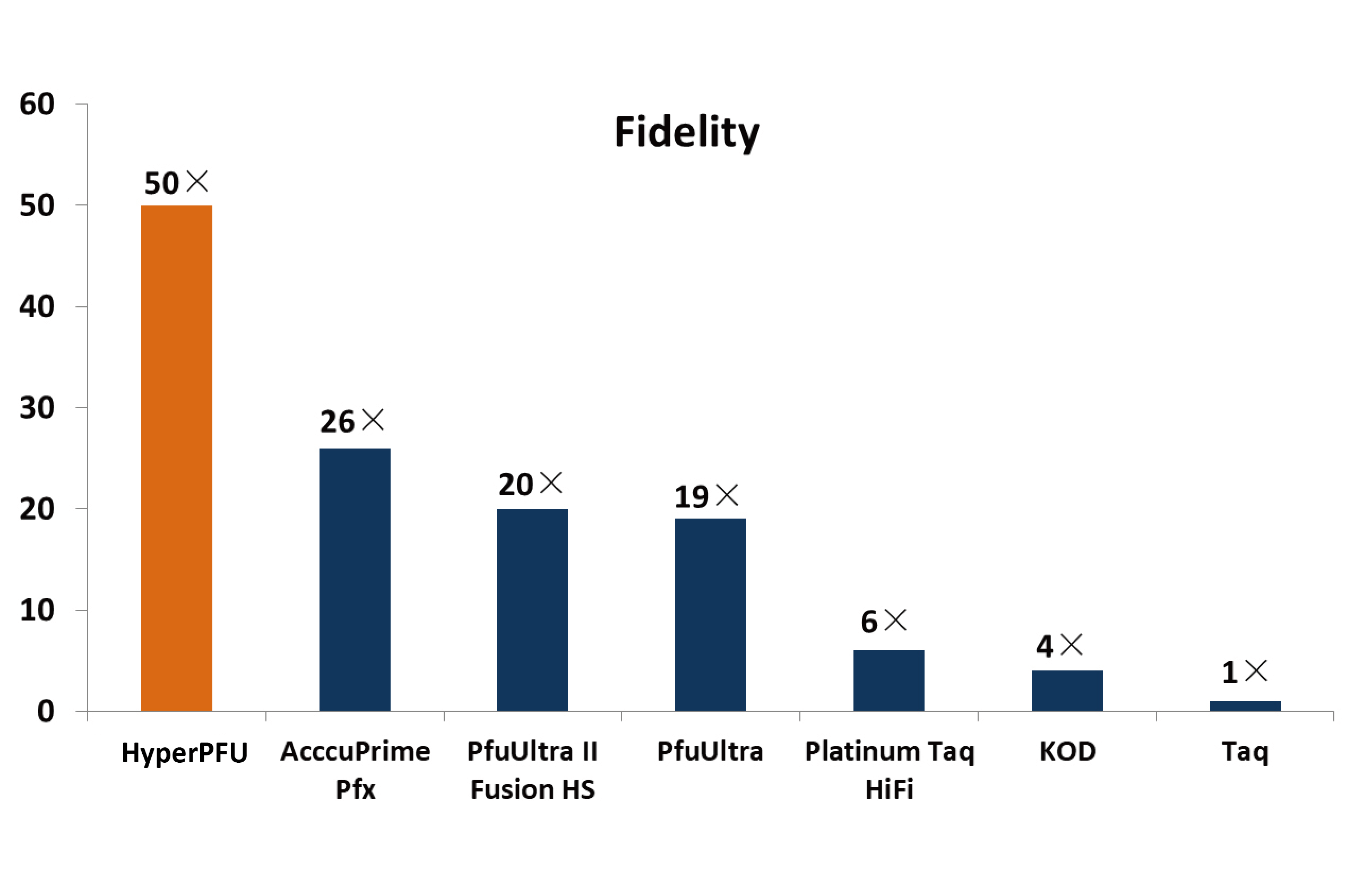
Entry into CNS is tightly regulated by highly dynamic barriers, namely, the BBB, the blood-CSF barrier, and the arachnoid epithelium (Abbott et al., 2010; Yasuda et al., 2013). Similar barriers also exist within the CNS including the ependymal barrier as well as the cellular membrane barriers of the
-
The expression of GLUT receptors throughout
2021-12-17
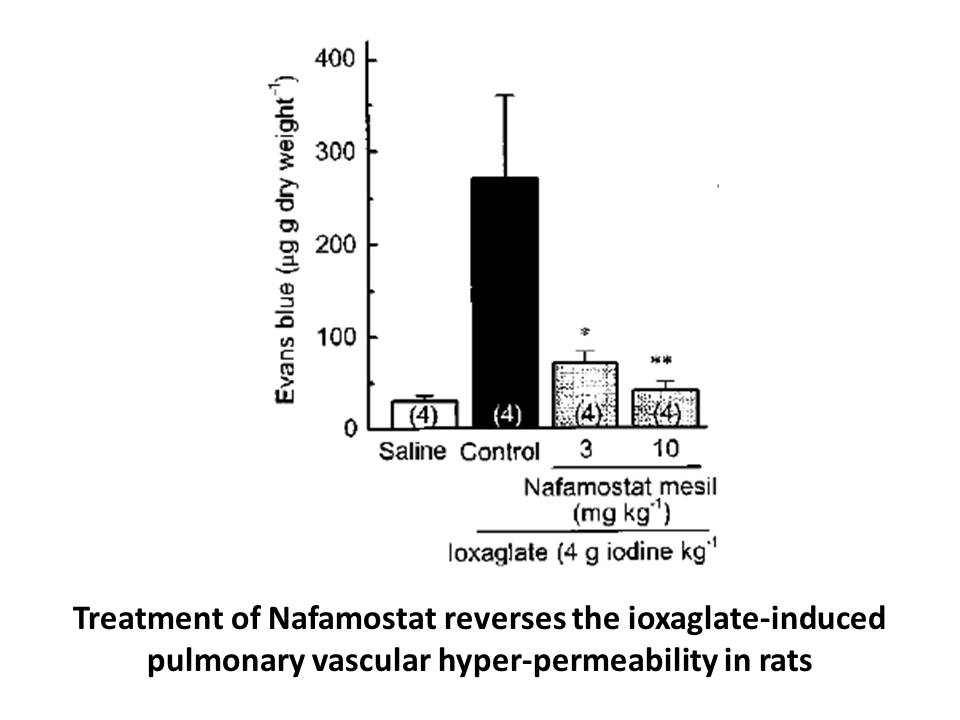
The expression of GLUT receptors throughout the body could be considered a potential source for off-target effects even for engineered glucose-conjugated nanomedicines, as there are at least 12 types of GLUT transporters in the body, including GLUT1 in erythrocytes and the blood-brain barrier, as we
-
As mentioned earlier two different
2021-12-16
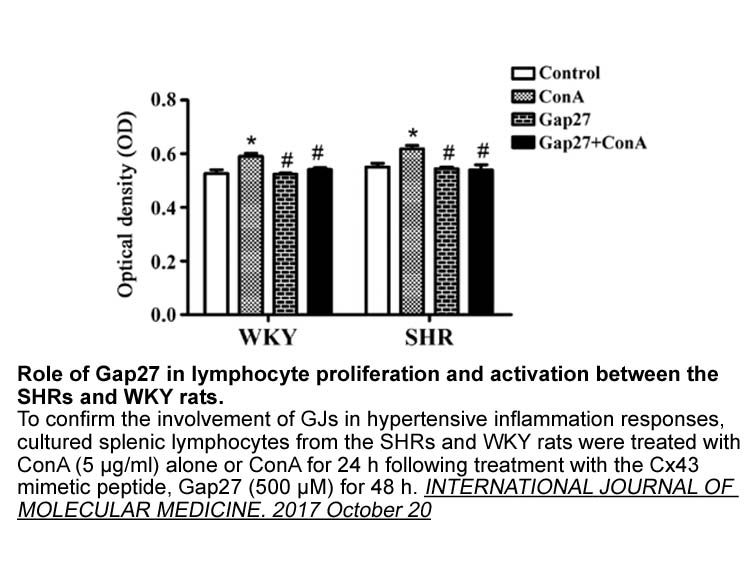
As mentioned earlier two different isoforms of TFE3 [16] have been reported viz. the full length (TFE3L) and smaller (TFE3S) without exon 1&2. TFE3S lacks an N-terminal acidic activation domain which is present in TFE3L hence is a dominant negative form of TFE3L [51]. This dominant negative feature
-
It has been reported that aberrant GPR expressions were
2021-12-16
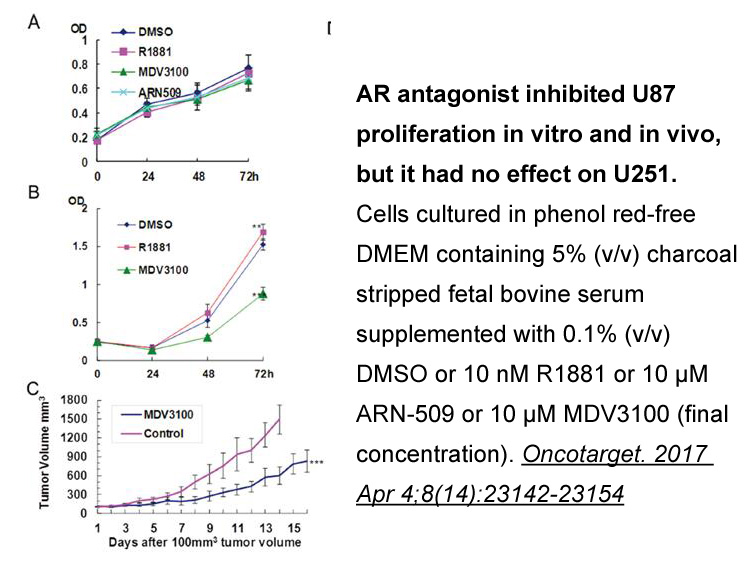
It has been reported that aberrant GPR120 expressions were detected in colorectal carcinomas, compared with normal tissues. In addition, GPR120 stimulated cell motile activity and angiogenic property in colon cancer cells [10]. Recently, we indicated that GPR40 suppressed cell motile and invasive ac
-
JMJD C is another JmjC
2021-12-16
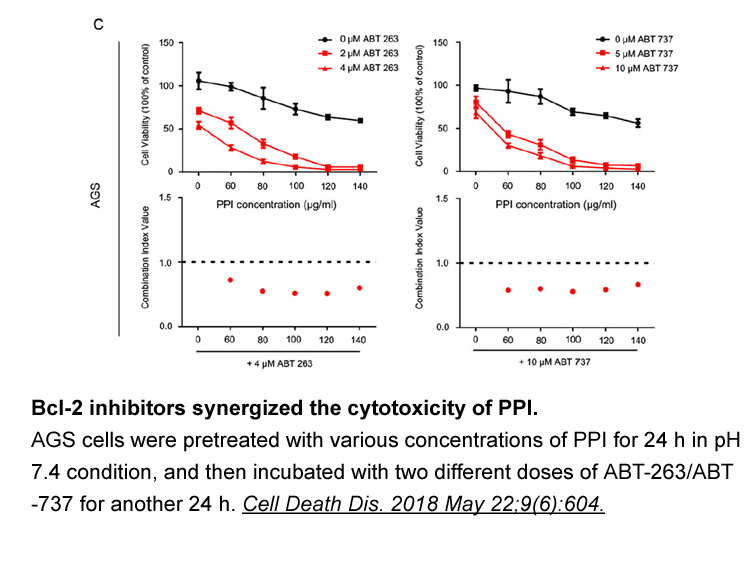
JMJD1C is another JmjC domain protein discovered as a putative oncogene in shRNA screens in MLL-AF9-, HOXA9-, and AML1-ETO-driven AML 40, 41, 42. Depletion of JMJD1C decreased the frequency of LICs by inducing their differentiation and impaired the growth and establishment of leukemia in serial tran
-
Little is known about the role of GPR in physiology
2021-12-16
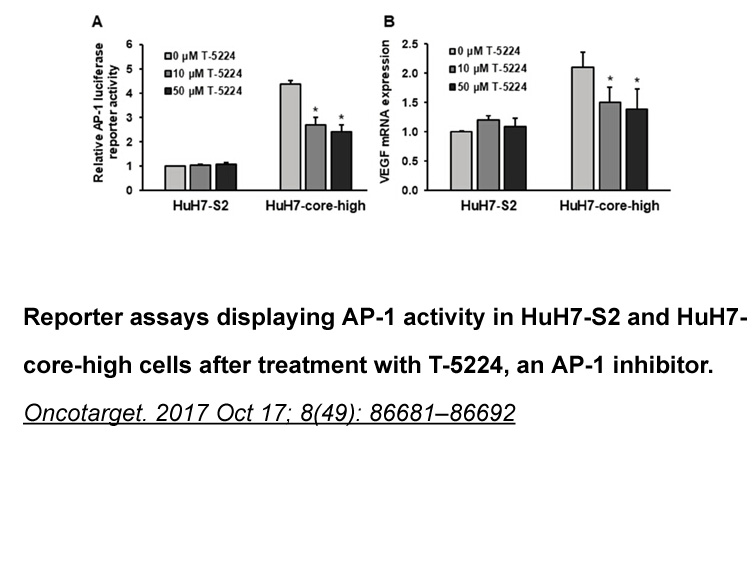
Little is known about the role of GPR35 in physiology and pathology. Using GPR35 knockout and wild-type mice showed that GPR35 activation by KYNA improves energy metabolism and inflammation, while demonstrated that GPR35 plays an important role in the development of angiotensin II-induced hypertensi
16288 records 545/1086 page Previous Next First page 上5页 541542543544545 下5页 Last page